the eclectic playwriting of
STEVE KARP
STEVE KARP’s plays are available through the New Play Exchange/National New Play Network at: https://newplayexchange.org/users/10929/steve-karp
When We Were Young
full-length, 2 actors
Brought together by the fact of their parents’ scandalous marital history, a man and a woman “of a certain age” discover that their teenage romance has come full-circle. A “Dear-John” letter, which ended the original relationship, is the surprising catalyst for its regeneration. And though life during the intervening years has had its rewards for both of them, the events of the couple’s reunion suggest that the closest they may ever come to finding love is with each other. Performed by two actors, the play is told in one act and laced with an abundance of humor. It takes place in a cramped one-bed-bedroom apartment on the Upper West Side of Manhattan. The time is the present.
When We Were Young is a reminder that the human heart, however well-traveled, may still beat with a passion to live and to love.
New Play Festival Selection
“A prickly love story between two septuagenarians with an unusual connection involving their distant past, WHEN WE WERE YOUNG is funny, melancholy, and surprisingly sexy. It is charming, emotionally authentic, and a surprising piece of storytelling that goes places few plays do nowadays, even with younger characters. WHEN WE WERE YOUNG is about a subject that absolutely nobody is writing about these days: LOVE!”
– John Lithgow
The Tools of Ignorance
full-length, 8 actors
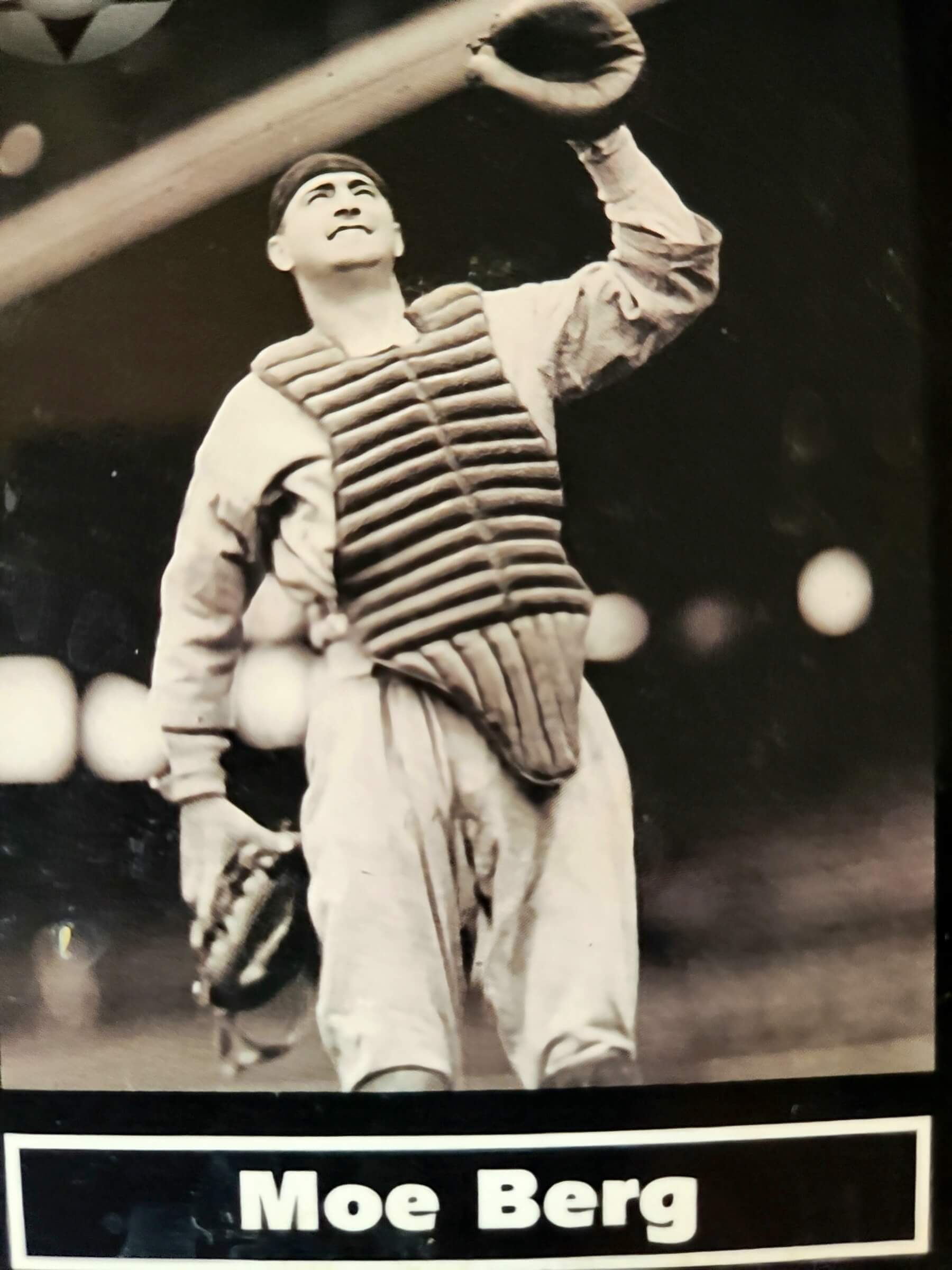
In late 1944, Allied forces were advancing steadily on Nazi Germany. Victory in Europe seemed inevitable. Only the last-minute deployment of an atomic bomb, which the Germans were known to be developing, gave the Allies any threatening reason to be concerned. The assignment of determining the bomb’s readiness would fall to a very unlikely candidate: a professional baseball player and veteran of 15 seasons in the Major Leagues – Morris “Moe” Berg. Berg was passionate about baseball, and despite his reserve status for most of his career, he had distinguished himself for being one of the best defensive catchers in the game. He was also unusually well-educated and Jewish, two ingredients not commonly associated with the professional baseball players of his day. Educated at Princeton, the Sorbonne, and Columbia Law School, Berg spoke at least a dozen languages, and when the newly created World War II intelligence agency – the Office of Strategic Services (OSS) – came looking for spies, Moe Berg was ready, willing, and eminently able.
New Play Festival Recognition
Fraternity
full-length, 6 actors
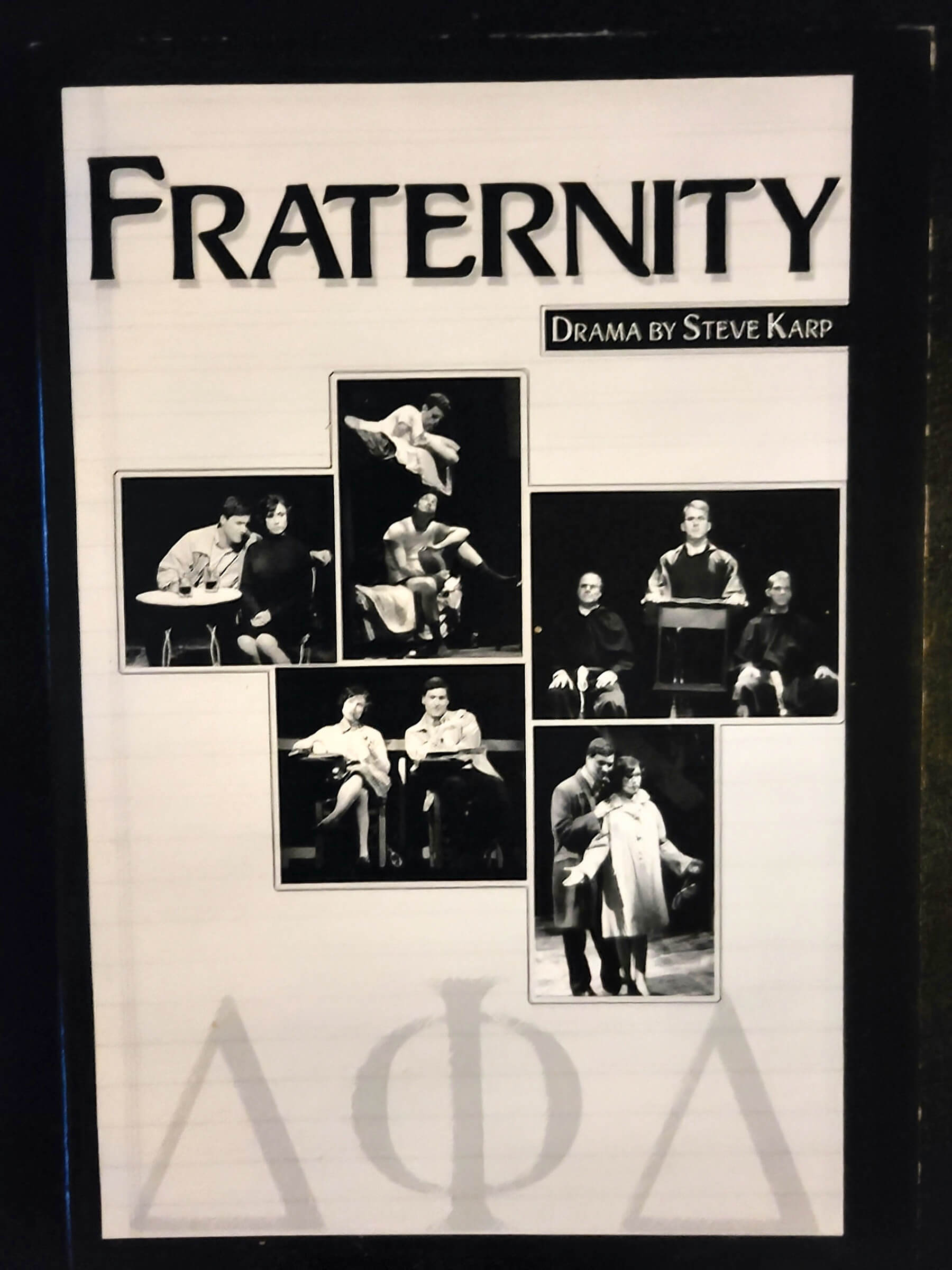
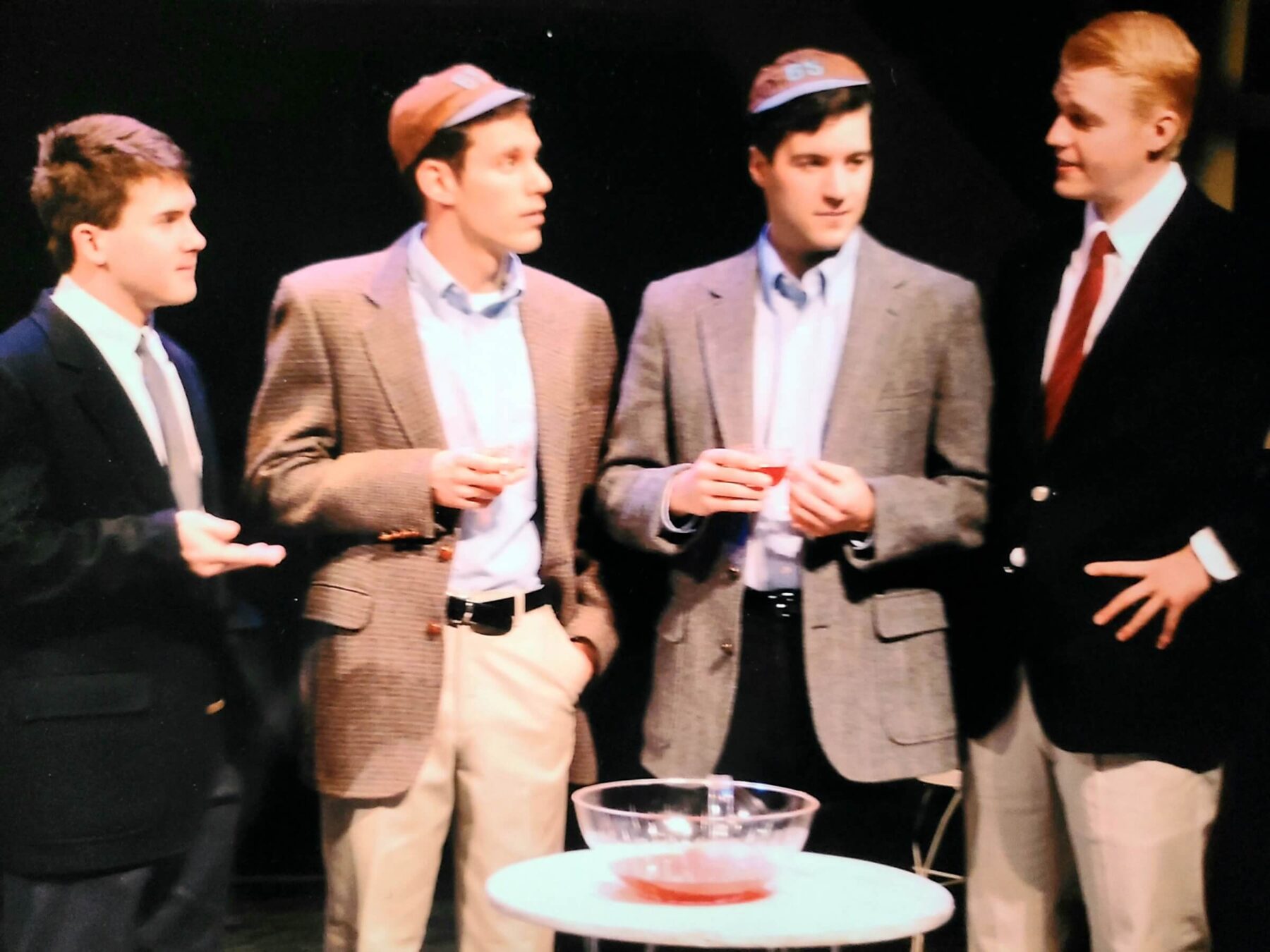
Fraternity is about a college freshman named Sam Katz (18) who is being rushed by a local chapter of a large, national college fraternity – Delta Phi Delta – whose brotherhood is defiantly attempting to buck its fraternity’s own anti-Semitic traditions. Sam’s two WASP recruiters, upperclassmen Don Curtis (20) and Larry Clinton (21), have put themselves in direct conflict with Delta Phi Delta’s venerable chapter adviser, Noel Richards (50), and the fraternity’s national organization, who are adamant in maintaining Delta Phi Delta’s “restrictive” status-quo. As the conflict mounts, Sam’s identity as a Jew is called into question by his classmate and love-interest, Betsy Kay (18), who herself, may have a problem with being Jewish, and by Sam’s roommate, Eddie Solomon (18), who decidedly does not.
Fraternity takes place in 1961, when America was discovering an energy that reflected the youthful vigor and idealism of the newly elected president, John F. Kennedy. Kennedy’s influence on the youth of America triggered an activism that inspired college students to believe they could make a difference. It was an exciting time because the country was changing, and because the changes that were occurring would forever owe their incubation to the “college campus”, which served as a laboratory for challenging the status-quo and for questioning the efficacy of prevailing social, cultural, and political thought.
“A Playwright Confronts Bigotry. Steve Karp carried around one story from his college days that he knew had the makings of a play: the moral anxiety he felt when a popular fraternity with a history of racial, religious, and ethnic exclusion, recruited him for membership.”

PRODUCTION: STAMFORD THEATRE WORKS, 2005
“The characters are simply drawn and sharply acted. The Jewish students struggle with what it means to be a Jew. The fraternity brothers weigh religion, race, tradition, and a desire to break barriers. Sam must ultimately consider whether he is a runaway from his community, a poster child for the cause of others, or a young man doing something for himself. It’s good to be reminded that it was a struggle.”

The Family Steering Committee
full-length, 8 actors
On September 11, 2001, nearly 3,000 people are murdered in the worst attack on American soil since the Civil War. The fear of additional terrorist attacks puts America in a state of nervous alert as the government works to secure its internal readiness, prepares for a military retaliation, and argues that the 9/11 attack could not have been anticipated.
Virtually unknown to the general public is a small group of surviving 9/11 family members who tenaciously work to uncover the hidden facts of 9/11 and who relentlessly lobby their government for a national investigation into the 9/11 attack. With the loss of their loved ones as their driving motivation, and their passionate and often contentious interaction with government officials and with each other, this group becomes the principal catalyst for the establishment of the 9/11 Commission – The National Commission on Terrorist Attacks Upon the United States – and the landmark legislation that is produced from this Commission’s recommendations.
The Family Steering Committee is based on true events and historical fact. It is not a documentary, but a well-researched historical fiction. The play’s eight (8) composite characters – six women, two men – are inspired by the real 9/11 Family Steering Committee members who courageously spoke truth-to-power, and who remain unsung heroes in one of America’s most iconic tragedies.
New Play Festival Recognition
The Warehouse
full-length, 6 actors
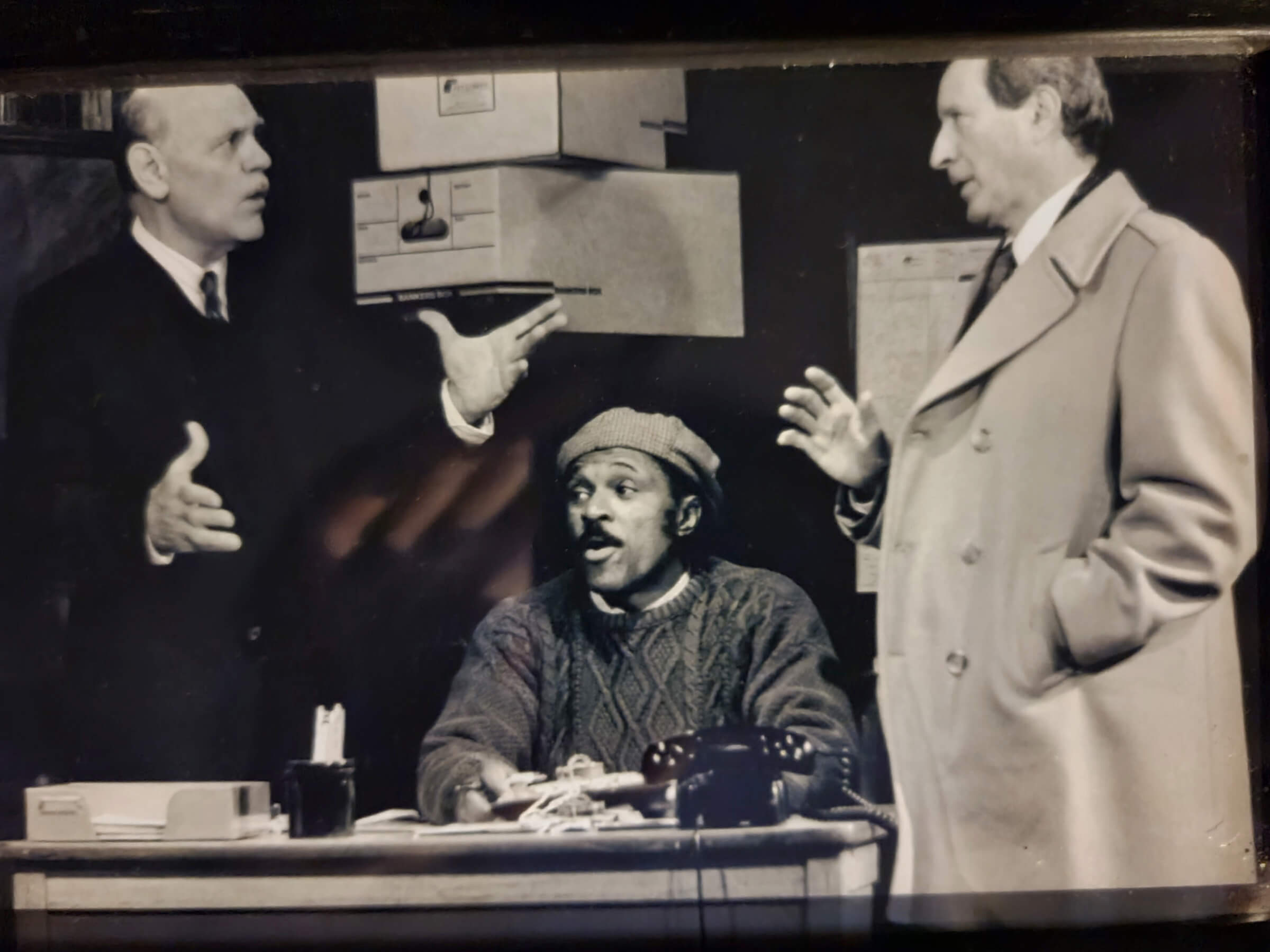
A successful owner of a retail office equipment business is pressured to sell his business to a large corporate retail chain. Having failed to interest any of his children in the business, but defiant in his unwillingness to sell to the corporate chain, the white business owner is reluctantly forced to consider partnering with an unlikely employee – his crackerjack warehouse foreman who is profane, confrontational, and black.
“Mr. Karp’s work touches the heart and soul of the small, family-owned business and creates an open window through which the audience peers in rapt attention, observing the intimate details of the characters’ working lives.”

PRODUCTION: STAMFORD THEATRE WORKS, 1992
IN RE: RADDING v GLAZER
short/comedic, 3 actors
Two women, patrons of a trendy beauty salon, mistakenly walk off with each other’s Christian Dior raincoat. In their increasingly irrational behavior to return the coats to each other, the innocent beauty shop owner is mercilessly caught up in the dueling women’s rage, the likes of which could easily set off World War III.
Short Play Festival Winner

RUBBAS
short/comedic, 3 actors
An influential Alabama senator defends his little-known condom manufacturing company from being put out of business by a powerful agency of the U.S. government.
Short Play Festival Winner
There’s A Traffic Jam In The Ladies Room
short/comedic, 3 actors
A United States Senator lobbies her colleagues for legislation to increase female bathroom stalls in the U.S. Senate.